Introduction: The Importance of Keyword Analysis in Content Strategy
Keyword analysis is the foundation of a high-performing content strategy. It helps you understand what your audience is actively searching for, how competitive those searches are, and what type of content Google is ranking for each query.
In practical SEO terms, keyword analysis means selecting keywords based on search intent, topic relevance, and ranking feasibility—not just search volume. When you target the right keywords and place them strategically in headings, body content, internal links, and FAQs, your content becomes easier for search engines to understand and more useful for users.
It also reveals audience language and buying signals. By identifying the terms people use to compare services, ask questions, or search locally, you can create content that matches real demand and supports conversions. In this guide, you’ll learn a step-by-step method to analyze keywords, uncover low-competition opportunities, and build a content plan that can rank in 2026.
If you want expert help, explore our SEO Services in Hawaii to improve rankings faster.
Step 1: Defining Your Content Goals and Target Audience
Before you start keyword research or writing content, it’s important to define your content goals and understand exactly who your target audience is. This step builds the foundation for a successful content strategy because your keywords, topics, and page structure should match what your audience actually needs.A strong plan starts with the right content strategy and audience targeting.
Content goals are the outcomes you want to achieve through your content. For example, your goals may include:
- Increasing brand awareness
- Driving more website traffic
- Generating qualified leads
- Building trust and authority in your industry
Next, focus on target audience analysis. The best way to do this is by creating a buyer persona—a profile of your ideal customer based on their demographics, interests, problems, and decision-making behavior. When you understand your audience’s pain points and preferences, you can create content that feels more relevant and helpful.
Finally, make sure your content aligns with user intent. Search engines prioritize content that directly answers what people are searching for. If your content matches the search intent and provides real value, it becomes more likely to rank higher on Google and attract consistent organic traffic from search engine results pages (SERPs).

Step 2: Conducting Thorough Keyword Research and Analysis
Keyword research is one of the most important steps in SEO because it helps you understand how your target audience searches online. When you identify the right keywords, you can create content that matches real search demand and attracts consistent organic traffic from Google.
To start, use reliable keyword research tools to collect data such as search volume, keyword difficulty, and related keyword ideas. These tools help you discover keywords that are relevant to your business and show how competitive each term is in the search results.
While broad keywords can bring visibility, you should also target long-tail keywords—longer and more specific search phrases. Long-tail keywords usually have lower search volume, but they often come with higher intent, meaning users are closer to taking action (such as contacting a business, requesting pricing, or making a purchase).
After collecting keyword ideas, analyze them based on:
- Search volume (how often people search the keyword)
- Search intent (what the user is actually looking for)
- Competition (how difficult it is to rank)
- Business relevance (how closely it matches your services and goals)
By prioritizing keywords that balance demand and ranking potential, you can improve your visibility in search engine results pages (SERPs) and attract more qualified visitors to your website.We also provide complete keyword research & SEO audit services for businesses in Hawaii.
Example Keyword Analysis
Let’s understand keyword analysis with a real example using SEMrush Position Tracking data from www.alohaclearwater.com. This will help you see how keywords are selected, grouped, and used to improve rankings and visibility.
Primary Keyword
alkaline water dispenser hawaii
This is a high-value keyword because it targets users who are actively searching for alkaline water dispensers in Hawaii and are more likely to contact a business for pricing, delivery, or installation.
Supporting Keywords
To strengthen this keyword topic, we also target supporting keywords that are closely related and help bring more traffic from Google:
- alkaline water system hawaii
- ice and water dispenser hawaii
- kapolei water dispensers
- pearl city water cooler
- kahuku bottleless dispenser
- kaneohe water dispenser
- moanalua water filtration
- clean drinking water hawaii
- hot and cold water dispenser hawaii
- aloha water company honolulu
Using these supporting keywords naturally inside the content helps Google understand that the page covers the full topic, not just one keyword.
Search Intent
The intent behind these keywords is mostly commercial, which means users are not just reading — they are looking to hire a service, request pricing, or get a product delivered. This is why service pages and location pages perform best for these searches.
Best Content Type
To rank for these keywords, the best content format is:
- A detailed service page (explaining alkaline water dispensers, benefits, pricing factors, and process)
- Multiple location pages (Kapolei, Pearl City, Kaneohe, Honolulu, Moanalua, etc.)
- A strong FAQ section to answer common questions
How to Use These Keywords Correctly
To improve rankings, follow this simple keyword placement strategy:
- Add the primary keyword in the title (H1) and in the first paragraph
- Use supporting keywords inside headings (H2/H3) and throughout the content naturally
- Add location keywords like Kapolei, Pearl City, Kaneohe, Honolulu to improve local SEO
- Use internal links to connect related pages and improve crawlability
Conclusion: This real keyword analysis example shows how one primary keyword and multiple supporting keywords can be used together to build topical relevance, improve local SEO visibility, and increase rankings in Google.
Step 3: Analysing Competitor Keywords and Identifying Content Gaps
Competitor keyword analysis helps you understand what is already working in your niche and where you can create better content to outrank others. Instead of guessing keywords, this step allows you to find proven search terms that are already driving traffic, leads, and conversions for competing websites.
Start by identifying your top competitors in Google search results (SERPs). These are not always your direct business competitors, but the websites ranking for the same keywords you want to target. Once you list them, analyse their pages to find:
- Keywords they rank for but you don’t
- High-intent keywords that can bring leads or sales
- Content topics they cover that your website is missing
- Weak pages that rank with low-quality or outdated content (easy opportunities)
This is called content gap analysis. It helps you discover missing topics and keywords to target with better content, stronger structure, and clearer alignment with search intent.
By filling these gaps with optimised content (including better headings, FAQs, internal links, and real examples), you can build topical authority, improve your rankings, and gain a competitive advantage in organic search.

Step 4: Prioritizing Keywords Based on Relevance and Search Volume
Once you have a list of potential keywords, the next step is to prioritize them based on relevance and search volume. This ensures you target keywords that not only bring traffic, but also attract the right audience and support your business goals.
Relevance is the most important factor because it tells you how closely a keyword matches your content topic and what users actually want. If a keyword is highly relevant, your content will align better with search intent, which increases your chances of ranking and converting visitors.
Search volume shows how often people search for a keyword. Higher volume can mean more traffic potential, but you should avoid choosing keywords only because they have high volume. If the keyword is not relevant to your services or audience, it may bring visitors who don’t convert.
To prioritize keywords effectively, look for a balance between:
- High relevance (matches your content and audience needs)
- Good search volume (enough demand to justify targeting it)
- Reasonable competition (possible to rank based on your website authority)
- Strong intent (keywords that can lead to leads or sales)
Using keyword research tools like SEMrush, Ahrefs, or Google Keyword Planner can help you compare these metrics and select high-impact keywords. By focusing on keywords that are relevant and realistic to rank for, you can improve visibility in search engine results pages (SERPs) and attract traffic that is more likely to convert.
Step 5: Incorporating Keywords Naturally into Your Content Strategy
After selecting the right keywords, the next step is using them naturally inside your content. This is where on-page optimization plays a major role in improving rankings and helping search engines understand what your page is about.
Keyword placement should be strategic, but it should never feel forced. Overusing keywords (keyword stuffing) can reduce readability and may negatively impact SEO. Instead, focus on writing helpful content first, then integrate keywords naturally where they make sense.
A strong approach is semantic SEO, which focuses on meaning and intent rather than repeating the same keyword again and again. This means using related terms, variations, and supporting keywords to cover the topic completely while keeping the content natural and user-friendly.
To incorporate keywords effectively, place them in key areas such as:
- Page title (H1) and main headings (H2/H3)
- First 100 words of the content
- Image ALT text (when relevant)
- Meta title and meta description
- Internal links (using natural anchor text)
When keywords are used naturally inside your content strategy, your pages become more relevant for search engines and more useful for readers. This improves visibility, engagement, and conversion potential.
Need a professional website? Check our WordPress design and development services.
Step 6: Monitoring and Adjusting Your Keyword Strategy Over Time
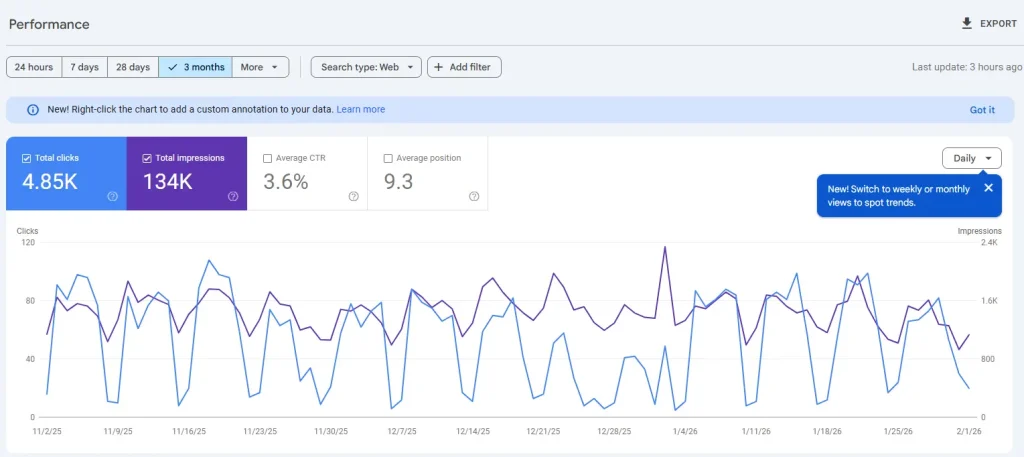
Keyword strategy is not a one-time task. To maintain and improve rankings, you must monitor keyword performance regularly and adjust your strategy based on real data. Search trends, competition, and Google’s algorithm updates can change over time, so continuous optimization is essential.
To track progress, use performance monitoring tools that show how your target keywords are performing in search engine results pages (SERPs). This helps you understand what is working and where improvements are needed.
Key areas to monitor include:
- Keyword rankings (movement up or down in SERPs)
- Clicks and impressions (from Google Search Console)
- Pages in “striking distance” (positions 8–20 that can be improved quickly)
- New keyword opportunities discovered through search queries and trends
By reviewing performance consistently, you can refresh content, improve headings, expand sections, add FAQs, and update internal links to keep your pages competitive and increase organic traffic over time.
For SEO help, contact our team today.
Conclusion: Elevate Your Content with a Strategic Approach to Keyword Analysis
A strategic approach to keyword analysis is one of the most effective ways to improve content performance and drive consistent organic growth. When you research keywords properly, understand search intent, and build content around real user needs, your website becomes more visible and competitive in Google search results.
Keyword analysis helps you target the most relevant search terms, prioritize opportunities based on competition and intent, and create content that attracts the right audience. It also supports long-term SEO success by helping you identify competitor gaps and build topical authority with supporting keywords and internal links.
Most importantly, keyword analysis is not about stuffing keywords into content. It’s about creating high-quality, helpful content that naturally includes relevant terms and answers user questions clearly. When done correctly, it improves rankings, increases traffic, and helps convert visitors into leads and customers.
If you want to grow your website traffic, explore our SEO services in Hawaii.
👉 Contact Webmaster Services Hawaii for a free consultation.