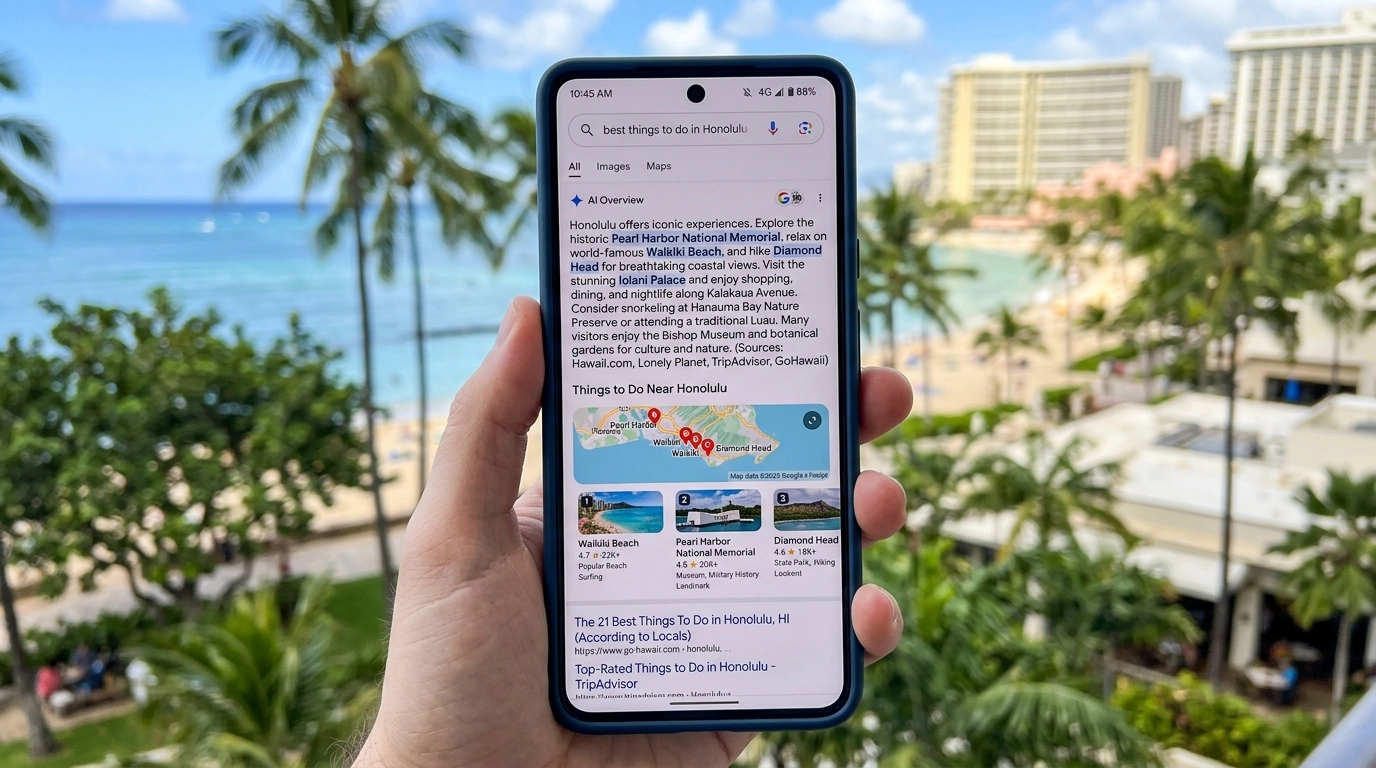
As mobile technology continues to evolve, optimizing your website for mobile use is no longer optional—it’s a necessity. With the fastest internet in Honolulu, the demand for mobile-friendly websites is on the rise, especially among local consumers who are always on the go.
The Mobile Market in Hawaii
The mobile landscape in Hawaii presents both challenges and opportunities.- Statistics:
- 80% of Users Access Websites via Mobile: A significant portion of your audience engages with your brand through their smartphones.
- Increasing Trend in Mobile E-Commerce: More consumers are opting to shop via mobile devices, highlighting the importance of a seamless mobile experience.
Why Optimize for Mobile?
Mobile optimization is essential for various reasons.- Benefits:
- Improved User Experience: A mobile-friendly site enhances user experience, leading to longer visit durations and lower bounce rates.
- Higher Search Engine Rankings: Google prioritizes mobile-friendly websites in search results, giving you a competitive edge.
- Increased Conversions: A seamless mobile experience can lead to higher conversion rates, whether it’s signing up for a newsletter or completing a purchase.
Key Elements of Mobile Optimization
To create an effective mobile experience, focus on several key elements.- Core Components:
- Responsive Design: Your website should adapt to different screen sizes, providing a consistent experience across devices.
- Fast Loading Times: Aim for a loading time of under three seconds. Use tools like Google PageSpeed Insights to identify areas for improvement.
- Clear Navigation: Ensure that menus and links are easy to access and navigate on smaller screens.
Tools for Testing Mobile Optimization
Utilizing testing tools can help ensure your site is optimized for mobile use.- Recommended Tools:
- Google Mobile-Friendly Test: This tool evaluates your site’s mobile compatibility, providing valuable insights for improvement.
- GTmetrix: Analyze your site’s speed and performance to identify bottlenecks.
- PageSpeed Insights: Get actionable recommendations to improve load times and user experience.
The Role of Local SEO in Mobile Optimization
Local SEO plays a vital role in capturing the attention of mobile users.- Strategies:
- Use Location-Based Keywords: Optimize your content with local keywords to attract nearby customers.
- Optimize Google My Business Listing: Ensure your listing is complete and accurate to improve local search visibility.
- Gather Customer Reviews: Encourage satisfied customers to leave positive reviews, enhancing your local credibility.
The Impact of User Experience on SEO
Google prioritizes websites that offer excellent user experiences, particularly on mobile devices.- Key UX Factors:
- Intuitive Design: A well-organized and user-friendly interface keeps visitors engaged.
- Fast Loading Times: As mentioned, speed is crucial for retaining users.
- Accessible Contact Information: Make it easy for users to find your contact details.
The Benefits of Mobile Commerce
With the rise of mobile commerce, businesses must adapt to changing consumer behaviors.- Trends in Mobile Commerce:
- Increased Transactions via Mobile: Consumers are more likely to make purchases on their mobile devices.
- Use of Mobile Wallets: Mobile payment options like Apple Pay and Google Wallet are becoming increasingly popular.
Conclusion
In a mobile-driven world, optimizing your website for mobile use is crucial for capturing the attention of on-the-go consumers in Hawaii. By focusing on responsive design, fast loading times, and local SEO strategies, you can create an engaging and effective mobile experience.Mobile optimization refers to the process of ensuring that your website functions well on mobile devices.
With a large portion of users accessing websites via mobile, optimizing for mobile can improve user experience and boost conversions.
Use tools like Google’s Mobile-Friendly Test to evaluate your site’s performance on mobile devices.
Common mistakes include slow loading times, complex navigation, and not using responsive design.
- Local SEO helps your business appear in local search results, which is crucial for attracting nearby mobile users.
Google PageSpeed Insights, GTmetrix, and the Mobile-Friendly Test are all useful tools for assessing and improving mobile performance.
- Optimize images, minimize HTTP requests, and use caching techniques to enhance loading speed.